Staying active is important at every stage of life, especially as we grow older. However, finding an exercise routine that supports mobility without putting excessive strain on the body can sometimes be challenging. This is where Tai Chi can make a difference. If you are looking for Tai Chi classes for seniors, this gentle form of exercise offers an opportunity to improve balance, flexibility, coordination and mental well-being through slow, controlled movements.
Tai Chi is suitable for many older adults, including those who prefer low-impact physical activities. With appropriate guidance and modifications, seniors can explore movements that support an active lifestyle while working at their own pace.
What Is Tai Chi and Why Is It Suitable for Seniors?
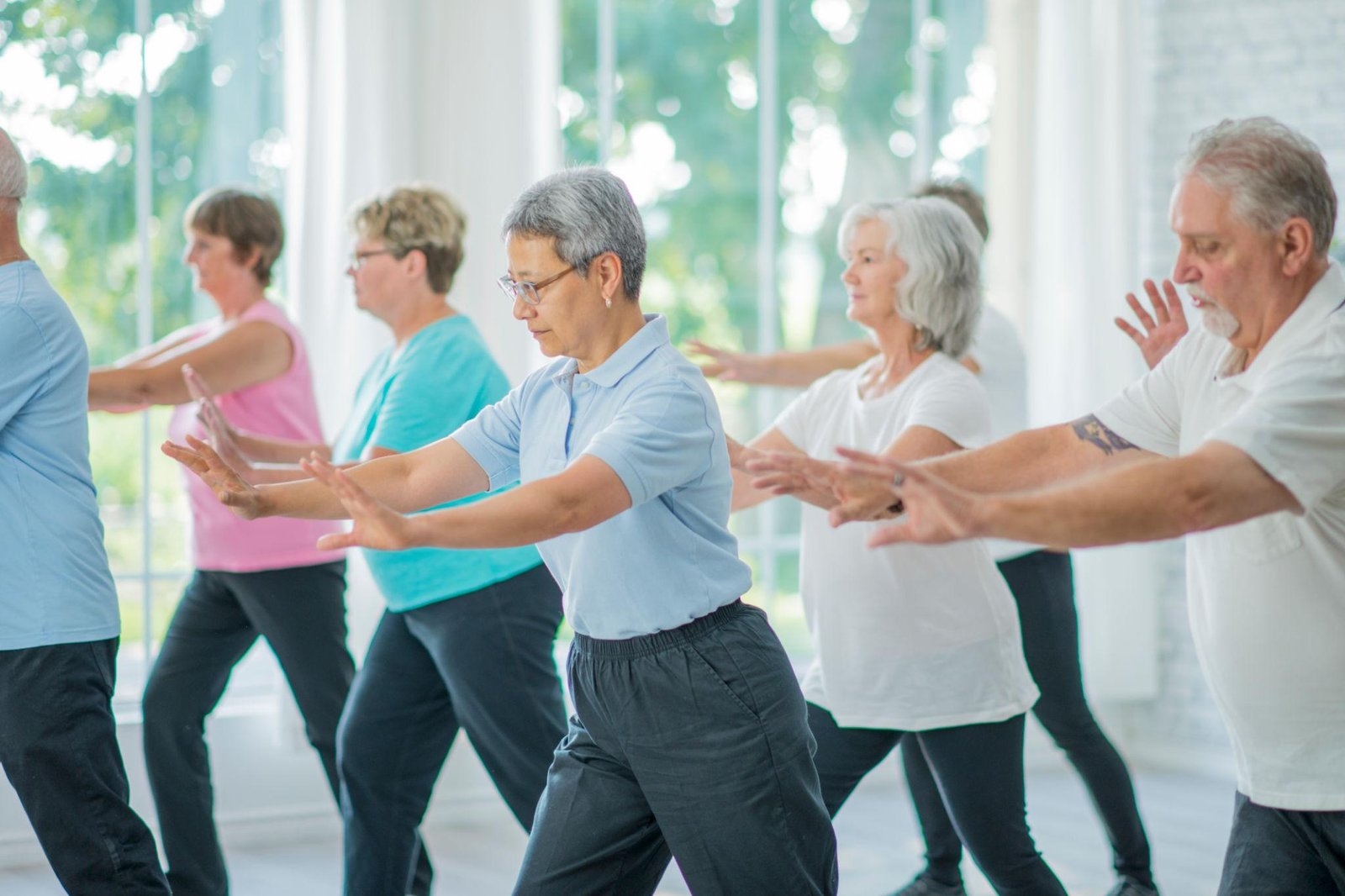
Tai Chi is an ancient Chinese practice that combines gentle movements, controlled breathing and focused attention. Often described as meditation in motion, it involves a series of flowing movements performed slowly and with awareness.
Unlike high-impact workouts, Tai Chi generally places less stress on the joints. Its movements encourage body awareness, posture, coordination and controlled weight shifting.
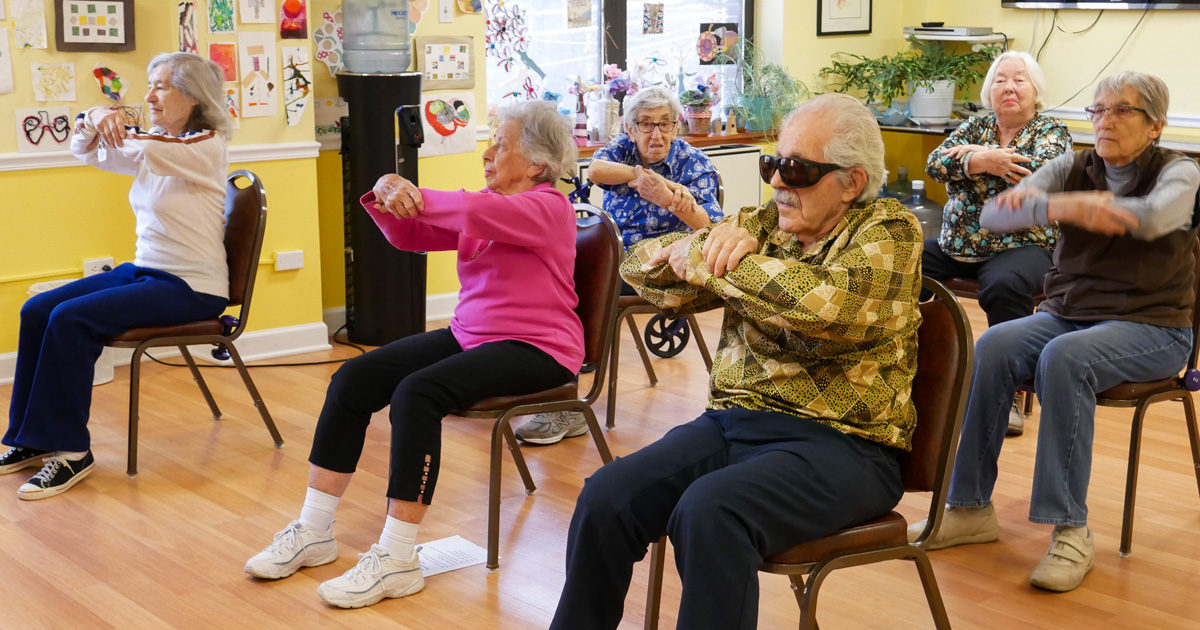
For older adults, this makes it an appealing physical activity that can be adapted to different fitness levels and mobility needs. Some movements can also be modified or performed while seated, depending on individual abilities and instructor guidance.
7 Benefits of Tai Chi Classes for Seniors
Regular Tai Chi practice can support several aspects of healthy ageing. Here are some potential benefits older adults may experience.
1. Supports Better Balance
Maintaining balance becomes increasingly important with age. Tai Chi involves controlled weight shifting, gentle stepping and posture exercises that help develop balance and body awareness. Regular practice may also help reduce the risk of falls.
2. Improves Flexibility and Mobility
Gentle stretching and flowing movements encourage flexibility in the arms, legs, shoulders and joints. Practising regularly may help seniors maintain a comfortable range of motion and support everyday activities.
3. Encourages Better Coordination
Tai Chi requires participants to coordinate their breathing, movements and body positioning. These exercises can help improve movement awareness and coordination through consistent practice.
4. Promotes Relaxation and Stress Management
Tai Chi combines slow movements with focused breathing, creating an opportunity to relax and step away from everyday stress. Its mindful approach may help participants feel calmer and more mentally refreshed.
5. Supports Muscle Strength
Although Tai Chi is gentle, maintaining postures and shifting body weight engages different muscle groups. These movements can help support lower-body strength and stability, which are important for everyday mobility.
6. Encourages Mental Focus
Remembering movement sequences and following instructions require attention and concentration. Tai Chi provides an opportunity to practise mindfulness while staying physically engaged.
7. Creates Opportunities for Social Interaction
Joining group Tai Chi classes allows seniors to meet people with similar interests. Training in a welcoming environment can encourage social interaction, shared experiences and a sense of community.
Why Choose Low-Impact Exercise as You Get Older?
High-intensity workouts are not suitable or necessary for everyone. As people age, their exercise preferences and physical capabilities may change.
Low-impact activities such as Tai Chi offer a gentler approach to staying active. Rather than focusing on speed or intense movements, the practice encourages controlled motion, proper posture and gradual progress.
For seniors, this can make exercise feel more approachable and sustainable. However, individual needs differ, so it is important to choose activities that match your physical abilities and seek professional advice when necessary.
How to Choose the Right Tai Chi Classes for Seniors
Finding a suitable class is an important part of having a positive training experience. Before enrolling, consider the following factors:
- Experienced Instructors: Choose instructors who understand the needs of older adults and can provide appropriate guidance.
- Beginner-Friendly Sessions: Look for classes that introduce movements gradually without expecting previous experience.
- Adaptable Exercises: Ask whether movements can be modified for different mobility levels or performed while seated.
- Comfortable Environment: A safe, clean and spacious training area can make participation more comfortable.
- Suitable Class Pace: Seniors should have enough time to understand and practise each movement without feeling rushed.
- Convenient Schedule: Choose class timings that fit comfortably into your daily routine.
If possible, ask about an introductory session to understand the teaching style and class environment before committing to a programme.
What to Expect in Your First Tai Chi Class
Starting Tai Chi does not require advanced fitness or previous martial arts experience. Most beginner sessions introduce participants to the basic principles of movement, posture and breathing.
A typical class may include gentle warm-up exercises, controlled movements, simple stepping techniques and guided breathing activities. Instructors may demonstrate movements slowly so participants can follow along comfortably.
As you become familiar with the practice, you may gradually learn additional movement sequences and improve your coordination.
Wear comfortable clothing and supportive footwear if recommended by your instructor. Most importantly, listen to your body, avoid movements that cause discomfort and take breaks whenever necessary.
Start Your Wellness Journey with GTC Studio Health
Staying active does not have to mean pushing your body through demanding workouts. Sometimes, gentle and consistent movement can be a more comfortable way to support physical and mental well-being.
If you are exploring Tai Chi classes for seniors, GTC Studio Health can be your next point of enquiry. Learn more about available training options, class schedules and programmes that may suit your fitness goals.
Whether you want to improve your balance, maintain flexibility or enjoy a mindful group activity, Tai Chi offers an opportunity to make movement a regular part of your routine.
Contact GTC Studio Health to learn more about available classes and take a positive step towards an active lifestyle.
Frequently Asked Questions (FAQs)
1. Is Tai Chi suitable for seniors with no previous experience?
Yes. Tai Chi is generally beginner-friendly and can be adapted to different fitness and mobility levels. Older adults can start with simple movements and gradually become familiar with the practice.
2. How often should seniors practise Tai Chi?
The ideal frequency depends on individual health, mobility and fitness goals. Starting with two or three sessions per week may be a reasonable approach for some people, with adjustments based on comfort and professional guidance.
3. Can Tai Chi help seniors improve balance?
Tai Chi involves controlled weight shifting, stepping and posture movements. Regular practice may improve balance and stability and help reduce the risk of falls.
4. Is Tai Chi a low-impact exercise?
Yes. Traditional Tai Chi generally involves slow, controlled movements rather than jumping or high-impact activities. Movements can often be modified to suit individual abilities.
5. Can seniors practise Tai Chi while sitting?
Yes. Some instructors offer seated Tai Chi exercises for people who have difficulty standing for extended periods. These modified movements can help participants practise coordination and controlled upper-body movements.
6. Does Tai Chi help with stress and relaxation?
Tai Chi combines gentle physical activity, focused breathing and mindfulness. This combination may encourage relaxation and help participants manage everyday stress.