Staying fit, developing confidence and learning new skills are important at every stage of life. However, finding an activity that combines physical fitness with mental development can sometimes be challenging. This is where martial arts can make a difference. Adult martial arts classes offer an engaging way to improve strength, flexibility, coordination and self-confidence while learning valuable techniques.
Whether you are a complete beginner or someone looking to return to physical training, martial arts provide opportunities to challenge yourself, develop discipline and work towards personal fitness goals. You do not need to be an athlete or have previous experience to get started. With the right guidance, adults can learn at a comfortable pace and gradually improve their abilities.
Why Should Adults Consider Martial Arts Training?
Martial arts involve more than learning punches, kicks and defensive movements. They combine physical exercise with mental focus, discipline and controlled techniques.
For adults with busy schedules, attending regular martial arts sessions can provide a structured way to stay active. Training also encourages consistency, patience and personal development.
Depending on the martial arts style, classes may include strength exercises, stretching, footwork, balance training, self-defence techniques and movement combinations.
7 Benefits of Joining Adult Martial Arts Classes
Regular martial arts practice can support different aspects of physical fitness and personal well-being. Here are some benefits worth considering.
1. Improves Overall Physical Fitness
Martial arts training involves full-body movements that engage different muscle groups. Activities such as kicking, punching, footwork and conditioning exercises can help improve strength, stamina and cardiovascular fitness.
Consistent participation can also make everyday physical activities feel more manageable.
2. Builds Confidence and Self-Esteem
Learning a new technique or achieving a personal training milestone can create a strong sense of accomplishment. As adults become more comfortable with their abilities, they may also develop greater confidence in themselves.
Progress happens gradually, making every improvement an opportunity to recognise personal growth.
3. Develops Discipline and Mental Focus
Martial arts require attention, patience and consistency. Students learn to follow instructions, practise techniques correctly and remain focused during training.
These habits can encourage better self-discipline and a more organised approach to personal goals.
4. Teaches Self-Defence Skills
Many martial arts programmes introduce techniques that help students understand defensive movements, distance management and situational awareness.
Learning these skills can improve confidence and personal safety awareness. However, martial arts training should also emphasise avoiding unnecessary confrontation and using techniques responsibly.
5. Enhances Flexibility and Coordination
Stretching, controlled movements and different footwork exercises help develop flexibility and coordination. These skills are important for maintaining mobility and performing physical activities with better control.
6. Provides an Active Way to Manage Stress
Physical activity can be a useful way to manage everyday stress. Martial arts sessions allow participants to focus on movements, follow structured exercises and take a break from routine responsibilities.
The combination of physical engagement and mental concentration can also make training an enjoyable way to refresh your mind.
7. Creates Opportunities to Meet New People
Group martial arts classes bring together people with different backgrounds and experience levels. Training alongside others encourages teamwork, mutual respect and social interaction.
It can also make exercise more enjoyable and help participants stay motivated.
Different Types of Martial Arts Adults Can Explore
Before choosing a training programme, it helps to understand that different martial arts styles offer different approaches to movement and technique.
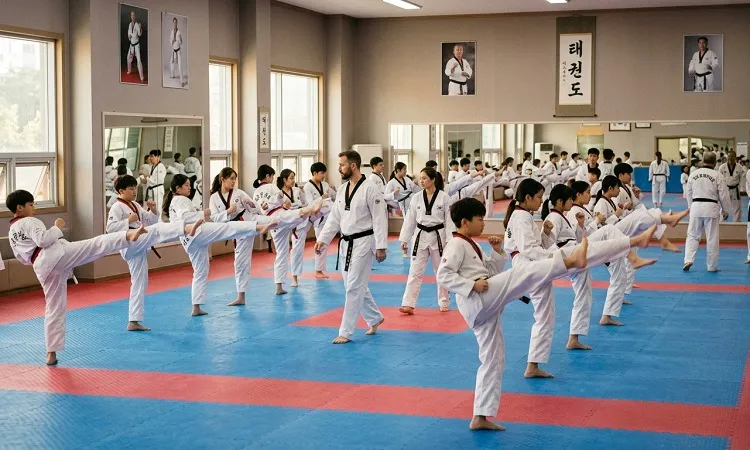
- Taekwondo: Known for its dynamic kicking techniques, footwork, flexibility and discipline.
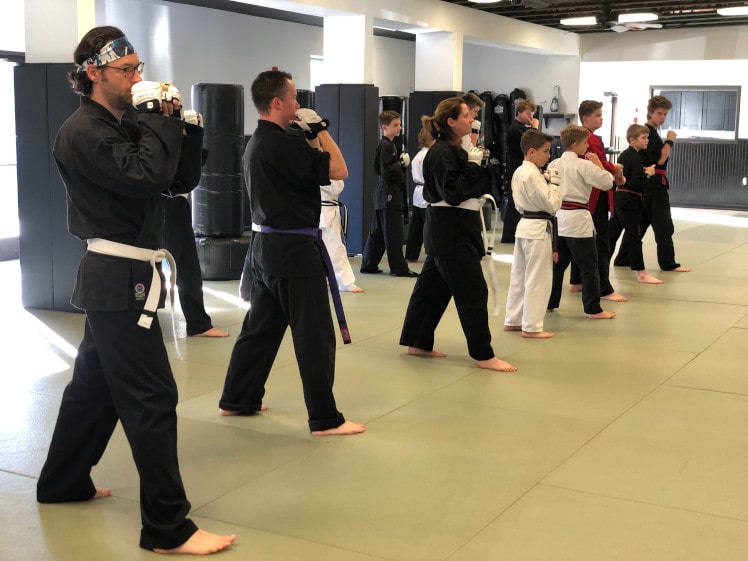
- Karate: Focuses on punches, kicks, blocks, controlled movements and traditional martial arts principles.
- Kickboxing: Combines punching and kicking techniques with physical conditioning exercises.
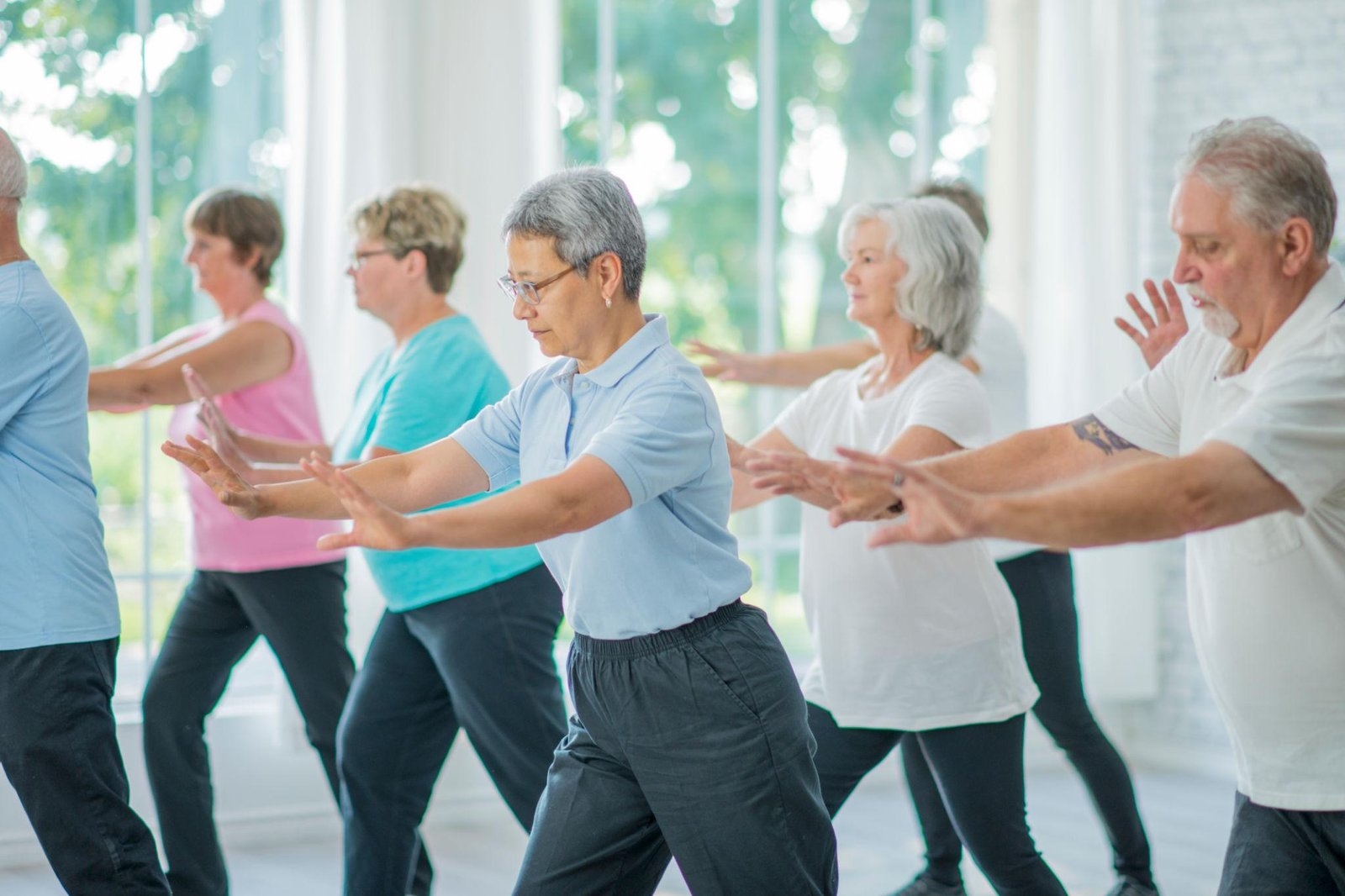
- Tai Chi: Uses slow, controlled movements and focused breathing to support balance, coordination and relaxation.
The right choice depends on your interests, fitness level and personal goals. Consider speaking with an instructor to understand which programme may be suitable for you.
How to Choose the Right Adult Martial Arts Classes
Searching for adult martial arts classes can bring up several options. Before enrolling, consider these important factors to make an informed decision.
1. Experienced Instructors: Look for instructors with relevant qualifications, practical experience and a supportive teaching approach.
2. Beginner-Friendly Sessions: If you are new to martial arts, choose a programme that teaches fundamental techniques before progressing to more advanced movements.
3. Structured Training: A good class should include appropriate warm-ups, technique practice, conditioning and cool-down exercises.
4. Suitable Training Environment: Check that the facility provides adequate space, suitable equipment and a clean training area.
5. Flexible Class Timings: Choose a schedule that fits your work, family and personal commitments so you can maintain consistency.
6. Individual Progress: Look for a training environment where students are encouraged to improve at their own pace rather than compete with others.
Can Adults Start Martial Arts Without Previous Experience?
Absolutely! You do not need a martial arts background to begin training. Many programmes welcome beginners and introduce techniques through simple, structured lessons.
Your first session may include basic movements, stretching, stance practice, footwork and introductory techniques. As you become more comfortable, your instructor can gradually introduce additional exercises and combinations.
It is important to communicate your fitness level, previous injuries or physical limitations before starting. This helps your instructor guide you towards suitable movements and modifications.
Begin Your Martial Arts Journey with GTC Studio Health
Making time for physical activity can have a positive impact on your overall lifestyle. Martial arts offer an opportunity to work on fitness, develop practical skills and build confidence through consistent practice.
If you are considering adult martial arts classes, GTC Studio Health can be your next point of enquiry. Explore the available training programmes, learn about class schedules and find an option that matches your interests and fitness goals.
Whether you want to improve your strength, learn self-defence techniques or try something different from a traditional gym workout, martial arts can be a rewarding activity to explore.
Contact GTC Studio Health today to learn more about available classes and take the first step towards your martial arts journey.
Frequently Asked Questions (FAQs)
1. Are adult martial arts classes suitable for beginners?
Yes. Many martial arts programmes offer beginner-friendly sessions where adults can learn basic movements and techniques without previous experience.
2. What is the best martial art for adults to learn?
The best martial art depends on your interests and goals. Taekwondo focuses on kicking techniques, Karate develops controlled striking movements, Kickboxing combines punches and kicks, while Tai Chi emphasises slow, mindful movements.
3. How often should adults attend martial arts classes?
Beginners may start with two or three sessions per week, depending on their fitness level, schedule and recovery needs. Consistency is more important than training excessively.
4. Can martial arts help improve physical fitness?
Yes. Martial arts training can help develop strength, flexibility, coordination and cardiovascular endurance through regular physical activity.
5. Do adult martial arts classes teach self-defence?
Many programmes include basic defensive techniques, movement control and situational awareness. The specific skills covered depend on the martial arts style and instructor.