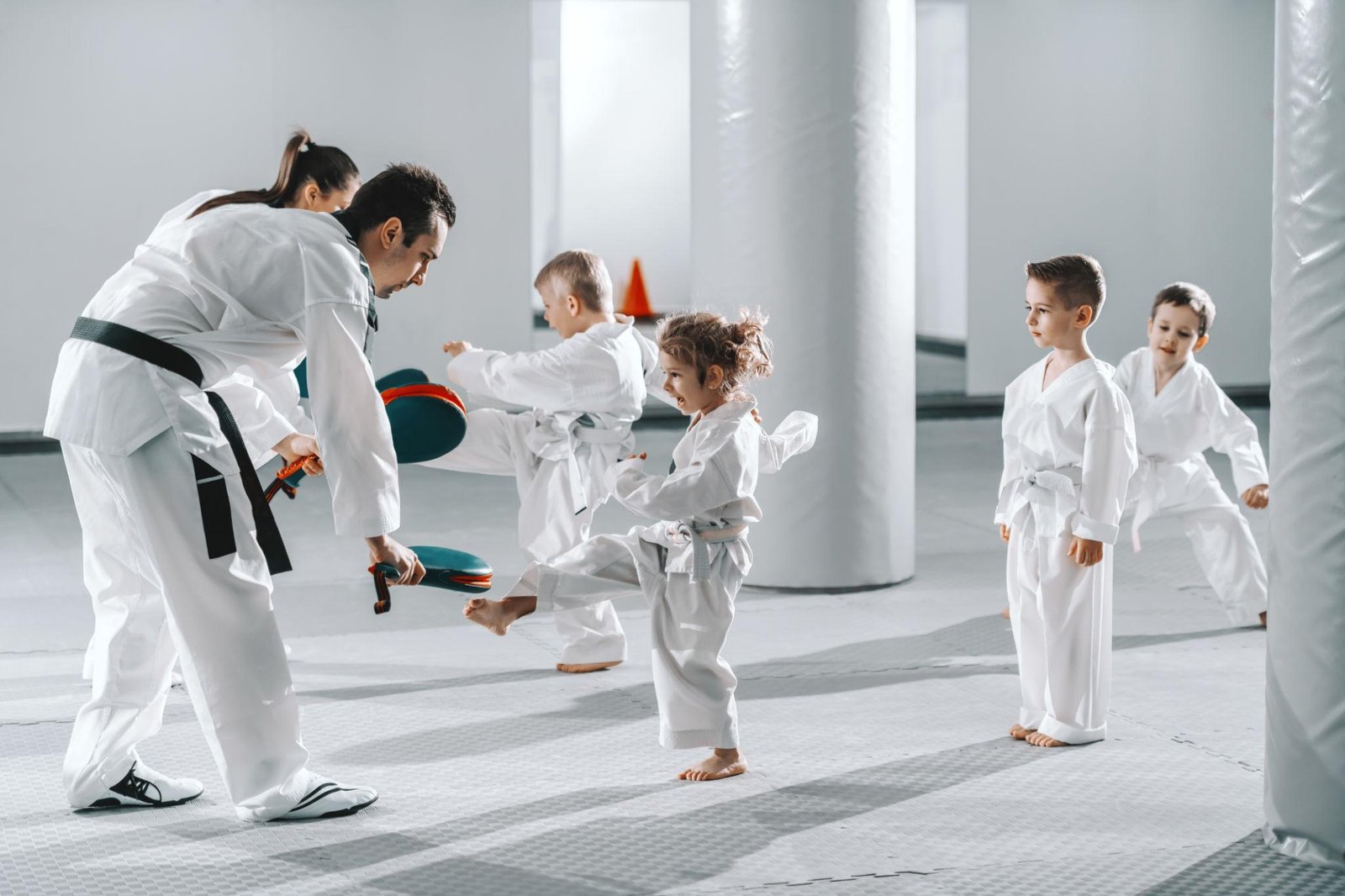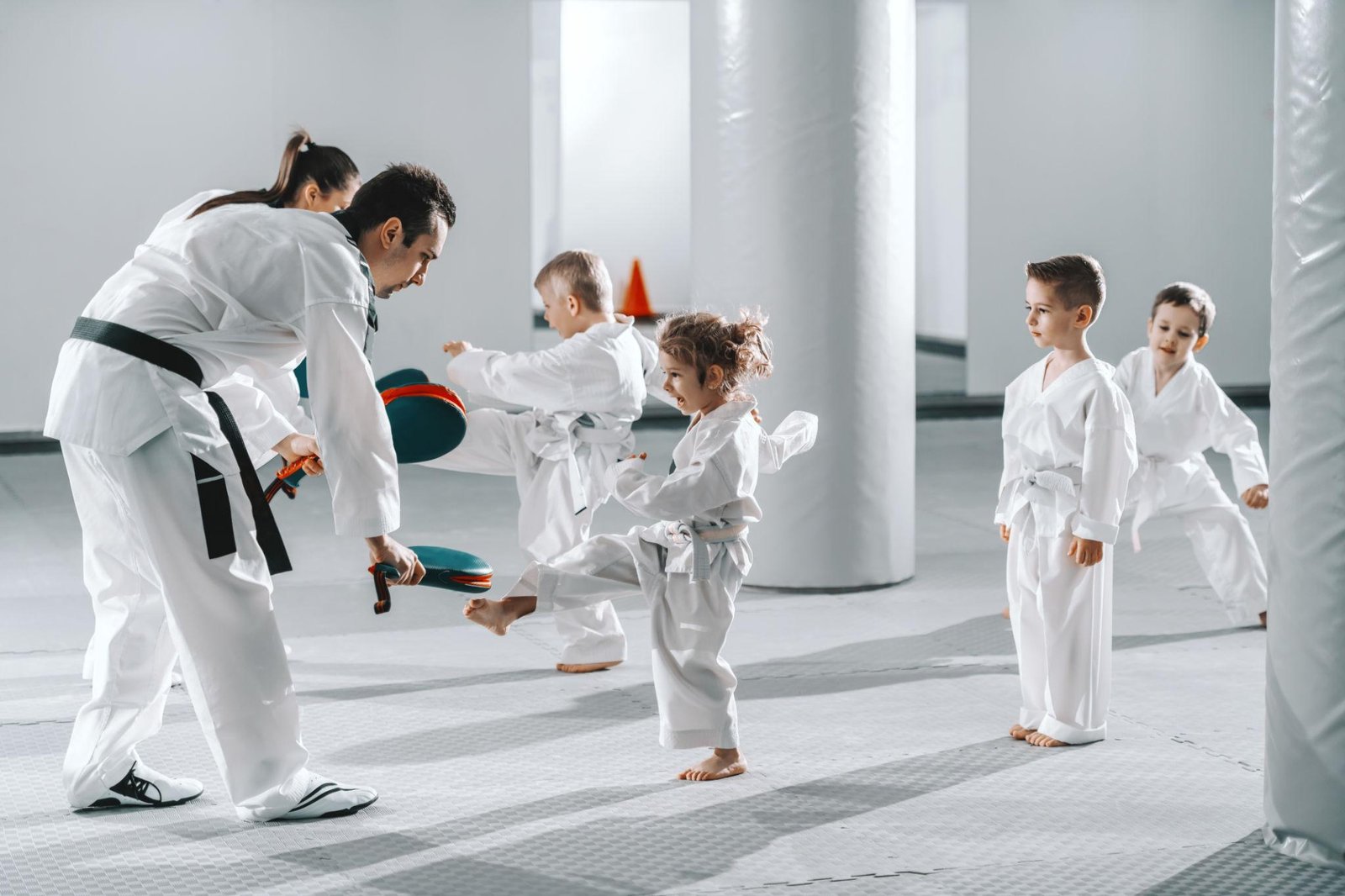
Choosing between adult kickboxing classes and taekwondo often stalls at the same question: which one actually fits your goals? Adults juggling work, family, and a shrinking window for self-care do not have room for a program that misses the mark.
Kickboxing suits adults chasing cardio intensity and stress relief, while taekwondo suits adults who want structured discipline, flexibility, and long-term skill progression.
Both disciplines build real fitness, but they get you there through different paths.
This guide breaks down what each program actually delivers so you can match the training to the outcome you want.
Quick Comparison: Kickboxing vs. Taekwondo for Adults
Kickboxing leans into intensity and calorie burn, while taekwondo leans into structure and technical mastery.
| Factor | Kickboxing | Taekwondo |
| Primary fitness focus | Cardio, stamina, stress relief | Flexibility, balance, discipline |
| Intensity level | High-intensity, fast-paced | Moderate, technique-driven |
| Structure | Freeform combinations, no ranking | Belt progression system |
| Session format | Circuit-style striking drills | Structured technique and forms practice |
| Best suited for | Adults wanting a hard cardio outlet | Adults wanting long-term skill building |
GTC Studio and Health Food Center has been providing expert instruction in Cordele, GA, since 1978, and its Fitness Kickboxing program for adults stays focused on strength, stamina, and stress reduction rather than generic cardio drills.
What Adult Kickboxing Does Best
Kickboxing channels stress into a fast-paced cardio outlet built on strength, stamina, and interval-based striking work.
Adult kickboxing channels stress and low energy into a structured cardio outlet that leaves you stronger, not more drained.
“Adults need at least 150 minutes of moderate-intensity activity each week to meet baseline physical activity guidelines.” (CDC, Physical Activity Basics, 2025)
And kickboxing’s interval format helps many adults hit that target through fewer, more intense sessions rather than longer, low-effort workouts.
1. Cardio and Stress-Relief Focus
Kickboxing works because it gives you a physical outlet for mental tension, not just a workout. A well-run adult kickboxing class paces you through striking combinations that build heart-rate intensity in short bursts, then recovers you before the next round.
This interval rhythm is what separates a kickboxing session from a treadmill run. Your body works hard, then resets, which trains stamina without burning you out mid-class.
2. Strength and Stamina Building
The repetitive striking motion in kickboxing recruits your core, shoulders, and legs simultaneously, building functional strength you actually use outside the studio.
You will notice the difference in stamina first, usually within a few weeks of consistent sessions, before you notice changes in strength.
That order matters. Stamina gains keep you showing up, and showing up is what eventually builds strength.
3. Who Thrives in This Format
Kickboxing works best for adults who want a hard physical release after a sedentary workday and do not need a ranking system to stay motivated. If you thrive on visible intensity and quick feedback from your own effort, this format keeps you engaged longer than a quieter, technique-first program.
What Adult Taekwondo Offers
Taekwondo builds fitness through structured belt progression, improving flexibility, balance, and technique over time.
Taekwondo takes a different route to fitness, one built on precision and progression instead of raw intensity.
“A 12-week taekwondo program (90 minutes, 3x/week) improved body composition, blood pressure, health-related physical fitness, and cardiovascular disease risk factors in older women with hypertension, compared to a control group.” (PMC)
GTC Studio’s programming serves ages five through 70 and older, making taekwondo a genuinely age-inclusive option for adults who want a program that adapts as they age rather than one they eventually age out of.
1. Discipline and Belt Progression Structure
The belt system in taekwondo gives you a visible marker of progress that a pure cardio class cannot offer. Each belt level introduces new techniques and higher expectations, which keeps you working toward a defined milestone instead of training in an open loop.
This structure is part of why taekwondo appeals to adults who want their fitness routine to feel like a skill they are building, not just a workout they are repeating.
2. Flexibility, Balance, and Technique Depth
Taekwondo’s kicking techniques demand a level of hip mobility and balance that most gym routines never touch.
That same PMC research links steady taekwondo practice to measurable gains in flexibility and balance, benefits that extend into daily movement and injury prevention as you age.
3. Who Thrives in This Format
Taekwondo suits adults who want a long-term practice rather than a quick sweat session and who find motivation in mastering technique over time. If you prefer structured learning with a clear sense of advancement, taekwondo delivers that in a way freeform kickboxing does not.
The Key Differences That Matter for Your Goals
The real difference between these two programs comes down to how you want to reach your fitness goal, not which one is objectively better.
1. Intensity and Cardio Demand
Kickboxing delivers a faster cardio hit per session, and that intensity is exactly what makes it effective for stress relief and calorie burn.
Yes, that intensity produces quick results, but it usually means less focus on the technical precision that taekwondo builds over time.
2. Structure vs. Flexibility in Training Style
Taekwondo’s belt system gives you steady, measurable progress, and that structure keeps many adults engaged for years.
Yes, that structure builds long-term skill, but it often means a slower path to the high-intensity cardio burn kickboxing delivers in a single session.
Matching the Discipline to Your Personal Fitness Goal
Most comparisons stop at style differences, striking versus forms, and intensity versus structure, without ever asking what you are actually training for.
The better question is which discipline matches your specific goal: stress relief, strength building, self-defense confidence, or low-impact stamina work.
Adults chasing stress relief and a hard physical release tend to gravitate toward kickboxing, while adults building toward long-term strength, self-defense skill, or a low-impact program that scales gently with age tend to find more staying power in taekwondo.
Naming your goal first, rather than picking a discipline first, is what actually determines which program you stick with past the first month.
Which Option is Best for You?
1. Kickboxing Class is Best for
adults who want a high-intensity cardio outlet, fast stress release, and a workout that changes daily rather than following a fixed curriculum.
2. Taekwondo Class is Best for
Adults who want structured skill progression, improved flexibility and balance, and a program built to scale with them for years, not months.
Frequently Asked Questions (FAQs)
Q 1. Is kickboxing or taekwondo better for weight loss?
Kickboxing typically burns more calories per session due to its higher-intensity interval format, making it a strong choice for adults prioritizing fast calorie burn. Taekwondo supports weight management too, but through steadier, technique-focused sessions rather than high-intensity bursts.
Q 2. Can adults start taekwondo with no martial arts experience?
Yes, taekwondo programs are built around belt progression specifically so beginners can start at the fundamentals and advance at their own pace. Certified instruction ensures new adult students learn proper technique safely from the first class.
Q 3. Do I need to be in good shape before starting adult kickboxing classes?
No, a well-structured kickboxing class paces you through intervals so you build stamina gradually rather than requiring it upfront. Certified instructors adjust intensity for your current fitness level while you build endurance over time.
Q 4. How long does it take to see fitness results from either program?
Most adults notice stamina improvements within a few weeks of consistent attendance in either kickboxing or taekwondo. Strength, flexibility, and skill gains typically follow over the following months as training consistency builds.
Q 5. Can I try both kickboxing and taekwondo before committing to one?
Yes, many adults sample both formats to see which training style keeps them motivated before committing long-term. Comparing how each session feels firsthand is often the clearest way to confirm which goal match applies to you.
Ready to Find Your Fit?
Adult kickboxing classes and taekwondo both build real fitness, but the right one depends on the goal you are training for: fast stress relief or long-term skill mastery.
GTC Studio and Health Food Center has offered certified instruction in Cordele, GA, since 1978, giving adults a trusted place to try either program under one roof.
Book your first class today at GTC Studio & Health Food Center and find out which discipline actually fits the way you want to train!