If you are exploring martial arts for yourself or your child, one of the first things you will come across is the concept of taekwondo weight classes. At first glance, it might seem like something only competitive athletes need to worry about. In reality, weight classes play a major role in safety, fairness, and long-term progress for every student, whether they train for fitness, discipline, or competition.
This guide breaks it all down simply and practically. If you live in Cordele, GA, or nearby towns like Vienna, Arabi, Ashburn, Pitts, or Rochelle, this will help you understand what to expect and how to choose the right training environment.
What Are Taekwondo Weight Classes?
Taekwondo weight classes are categories that group students based on body weight. These categories are mainly used during sparring and competitions to ensure that participants face opponents of similar size and strength.
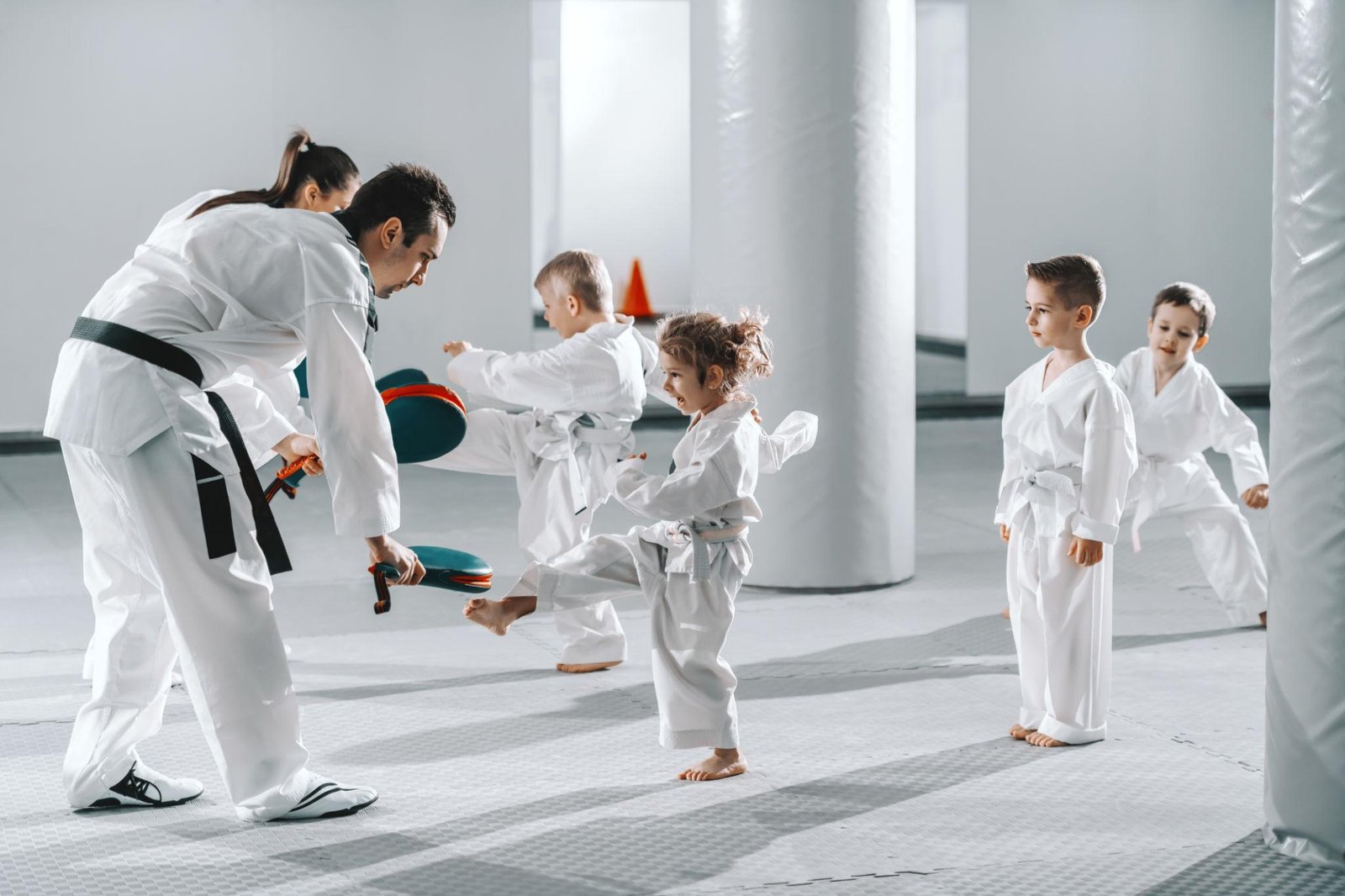
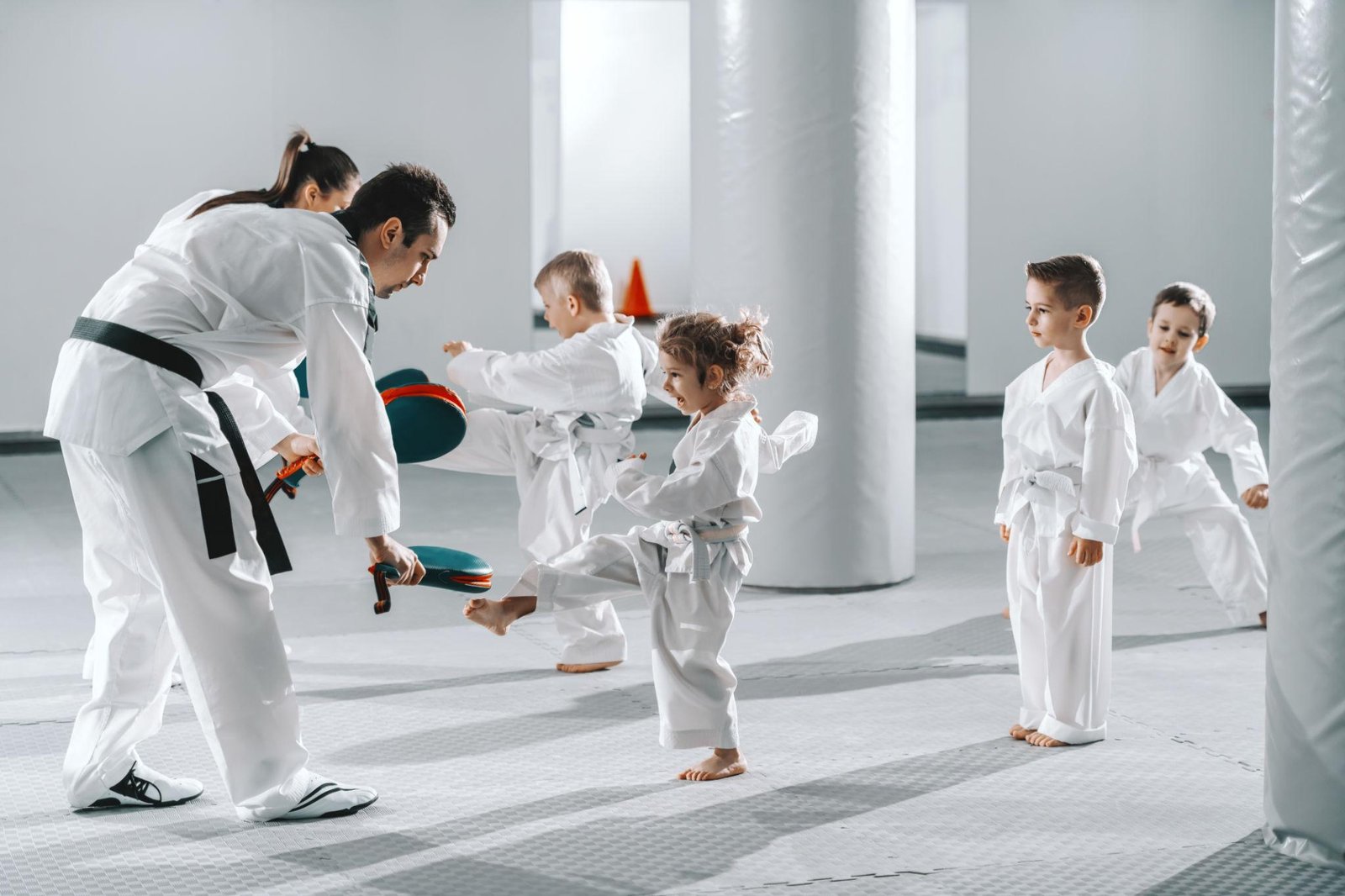
This system helps create a level playing field while reducing the risk of injury. Imagine a 90-pound beginner sparring with a 160-pound athlete. Without weight classes, that would not be safe or productive.
Why Weight Classes Matter More Than You Think
Many parents assume martial arts is just about learning kicks and punches. But structured systems like weight classes are part of what makes training effective and safe.
Here are the key benefits:
1. Safety First
Matching students by weight significantly reduces injury risks during sparring.
According to a report from the National Library of Medicine, injury rates in combat sports drop by up to 40 percent when proper classification systems like weight divisions are followed (source).
2. Fair Competition
Weight classes ensure that skill, not size, determines the outcome.
3. Confidence Building
Students feel more confident when they compete against peers with similar physical attributes.
4. Healthy Development
It promotes balanced physical growth instead of encouraging unhealthy weight-cutting practices.
Standard Taekwondo Weight Classes (Simplified)
While official categories vary slightly depending on the organisation, here is a simplified version of commonly used divisions:
Adults (Olympic Style Example)
| Division | Weight Range (Men) | Weight Range (Women) |
| Finweight | Under 54 kg | Under 46 kg |
| Flyweight | 54 to 58 kg | 46 to 49 kg |
| Bantamweight | 58 to 63 kg | 49 to 53 kg |
| Featherweight | 63 to 68 kg | 53 to 57 kg |
| Lightweight | 68 to 74 kg | 57 to 62 kg |
| Welterweight | 74 to 80 kg | 62 to 67 kg |
| Middleweight | 80 to 87 kg | 67 to 73 kg |
| Heavyweight | Over 87 kg | Over 73 kg |
Youth Divisions
For children and teens, weight classes are usually combined with age groups to ensure even safer matches.
| Age Group | Example Weight Range |
| Ages 6 to 8 | 40 to 80 lbs |
| Ages 9 to 11 | 60 to 110 lbs |
| Ages 12 to 14 | 80 to 140 lbs |
| Ages 15 to 17 | 100 to 180 lbs |
These ranges are flexible and depend on the training program and competition level.
How Weight Classes Fit Into Everyday Training
You do not need to be a competitive athlete to benefit from weight-based grouping.
In well-structured programs, students are grouped by:
- Age
- Experience level
- Weight (for sparring activities)
This layered approach ensures that beginners are not overwhelmed and advanced students are continuously challenged.
For families in Cordele and surrounding areas like Pitts and Rochelle, this type of structured grouping can make a huge difference in how quickly a student progresses.
The Role of Weight Classes in Building Life Skills
Taekwondo is not just physical training. It is also about personal growth.
Weight classes contribute to this in subtle but powerful ways:
1. Discipline
Students learn to maintain healthy habits and stay within a safe range.
2. Respect
Training with similar-sized peers teaches mutual respect and sportsmanship.
3. Focus
Students can concentrate on improving technique rather than worrying about physical mismatches.
4. Confidence
Progressing through structured levels builds self-esteem over time.
Comparing Martial Arts Programs: What to Look For
Not all martial arts schools use weight classes effectively. Some focus only on large group instruction, which can lead to uneven training experiences.
Here is a comparison to help you evaluate different options:
| Feature | Basic Programs | Structured Programs |
| Weight-based grouping | Rare | Consistent |
| Age-specific training | Limited | Strong |
| Safety protocols | Basic | Advanced |
| Skill progression tracking | Minimal | Detailed |
| Family-focused scheduling | Not included | Available |
| Long-term development focus | Low | High |
Structured programs that combine age, skill level, and taekwondo weight classes tend to deliver better results, especially for children.
Fitness and Health Benefits Backed by Data
Martial arts training, including taekwondo, has gained popularity in recent years for its health benefits.
Here are some recent insights:
- A study found that martial arts training improves cardiovascular fitness (source).
- The University of Kansas Medical Centre reports that only 20-28 percent of children in the United States meet recommended physical activity levels (source). Structured programs like taekwondo can help close that gap.
- Regular martial arts training has been linked to improved focus and reduced anxiety (source).
These benefits go beyond physical health. They impact academic performance, social skills, and overall well-being.
Taekwondo vs Other Fitness Options
If you are comparing taekwondo with other activities like gym workouts or team sports, here is a quick breakdown:
| Activity | Physical Fitness | Mental Focus | Discipline | Self-Defense |
| Taekwondo | High | High | High | Strong |
| Gym Workouts | High | Low | Medium | None |
| Team Sports | High | Medium | Medium | None |
| Yoga or Tai Chi | Medium | High | High | Limited |
Taekwondo stands out because it combines fitness, mental focus, and practical self-defence in one program.
Pros and Cons of Taekwondo Weight Classes
Like any system, weight classes have advantages and a few limitations.
Pros
- Safer training environment
- Fair competition
- Encourages healthy growth
- Boosts confidence
- Supports skill development
Cons
- Requires regular monitoring of weight
- Can feel restrictive for some advanced athletes
- Slight variations across organisations
For most beginners and families, the benefits far outweigh the downsides.
What Families in Cordele and Nearby Towns Should Consider
If you are in Cordele or nearby areas like Vienna, Arabi, or Ashburn, your options may be limited compared to larger cities. That makes it even more important to choose a program that offers the following:
- Structured classes for different age groups
- Proper use of taekwondo weight classes
- Year-round training options
- Support for working parents
- A strong focus on life skills
Programs that include after-school pick-up, and seasonal camps can be especially valuable for busy families.
How Beginners Can Get Started
Starting taekwondo is easier than most people think. You do not need prior experience or a certain fitness level.
Here is a simple step-by-step approach:
- Start with a beginner-friendly class
- Focus on basic techniques and forms
- Gradually move into light sparring
- Get placed into appropriate weight and age groups
- Build confidence through consistent practice
For children, this journey often becomes a long-term path that shapes their character and habits.
How GTC Studio & Health Food Centre Supports Your Taekwondo Journey
GTC Studio & Health Food Centre brings everything discussed in this guide into one well-structured, supportive environment. With over 48 years of experience, the studio focuses on helping students grow safely through proper use of taekwondo weight classes, age-based groupings, and skill-level training. This approach ensures that every student, from young beginners to adults, trains with the right balance of challenge and safety.
Families in Cordele, as well as nearby towns like Vienna, Arabi, Ashburn, Pitts, and Rochelle, benefit from year-round programs designed to fit busy schedules. The fall, winter, and spring program includes school pick-up, study time, and structured martial arts training, while the summer camp keeps kids active and engaged.
FAQs
1. Can beginners join taekwondo without knowing their weight class?
Yes, beginners do not need to know their taekwondo weight classes before joining. Instructors usually assess and place students in the right group after enrollment.
2. How often are weight classes reviewed or updated?
Weight classes are typically reviewed during training cycles or before sparring sessions to ensure students are grouped safely and fairly.
3. Do weight classes affect belt promotions?
No, belt promotions are based on skill, consistency, and understanding of techniques, not weight class placement.
Final Thoughts
Finding the right place to train matters, especially when taekwondo weight classes are part of a safe and well-structured system. GTC Studio & Health Food Centre creates an environment where students can improve at their own pace while building strength, confidence, and discipline.
From beginners to more advanced learners, each person gets the attention they need to succeed. Families around Cordele and nearby communities can count on a program that supports both personal growth and physical fitness.
Take the next step today with GTC Studio & Health Food Centre and discover how the right training can shape a stronger future.